

Nutritional Counseling for Obesity in Rochester NY: What It Actually Involves
Most people seeking help with weight already know a great deal about food. They have read extensively, tried multiple approaches, and can recite which foods are considered healthy.
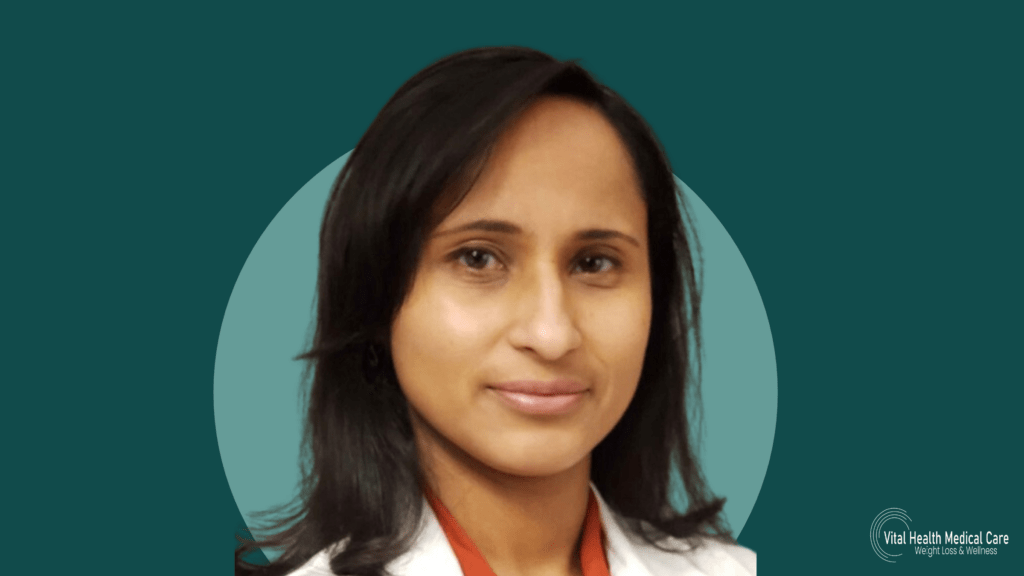
Knowledge is rarely the missing piece. Nutritional counseling for obesity Rochester NY patients receive should reflect that, addressing biology, circumstances, and behaviour rather than delivering information they already have. At Vital Health Medical Care in Pittsford, Dr. Sanin Syed, MD leads care that treats nutrition as part of medical treatment rather than a separate lecture.
Counseling Is Not the Same as a Meal Plan
This distinction matters, and it explains why many previous attempts felt unhelpful.
A meal plan tells you what to eat. Counseling examines why current patterns exist and what would realistically change them. Those are different activities requiring different approaches.
Consider a common situation. Someone eats reliably well until evening, then struggles considerably after eight o’clock. A meal plan addresses none of that. Effective counseling explores what happens during those hours, whether the daytime eating was adequate, how sleep and stress factor in, and what alternative responses might work.
Consequently, the conversation focuses on your actual circumstances. Shift work, caregiving responsibilities, a limited budget, and cooking skill all shape what is achievable. A plan ignoring those gets abandoned regardless of how sound it looks on paper.
Why Obesity-Specific Counseling Differs
General nutrition advice and obesity-focused counseling are not interchangeable. Several factors distinguish them.
Hormonal Adaptation Is Real
After weight loss, hunger hormones increase while fullness signals decrease. Counseling that ignores this treats a biological response as a discipline problem. Understanding it changes both the strategy and how patients interpret their own struggles.
Muscle Preservation Becomes Central
Protein requirements rise during weight loss rather than falling. Without adequate intake, weight loss includes muscle, which lowers metabolic rate and makes maintenance harder. General healthy eating advice rarely emphasises this sufficiently.
Medical Conditions Interact
Insulin resistance, thyroid dysfunction, and polycystic ovary syndrome all affect nutritional planning. Additionally, many patients manage blood pressure, cholesterol, or diabetes simultaneously. Coordinating those requirements takes clinical knowledge.
Medications Change the Picture
Weight loss medications alter appetite substantially, which changes what nutritional guidance should emphasise. This has become one of the more important developments in the field.
Nutrition Counseling While Taking Weight Loss Medication
This deserves its own section, since the need is genuine and frequently overlooked.
GLP-1 medications reduce appetite considerably. That is the intended effect, and it makes eating less feel manageable rather than effortful. However, it creates a specific risk.
When appetite falls sharply, total intake can drop below what your body needs. Protein is usually the first casualty, since it requires deliberate effort to include. Consequently, muscle loss accelerates precisely when patients feel the treatment is working well.
Micronutrients present a similar issue. Eating substantially less food means fewer vitamins and minerals unless choices become more deliberate. Fibre often falls too, which contributes to the constipation many patients experience.
Effective counseling during medication treatment therefore focuses on adequacy rather than restriction. Priorities shift toward protein at every meal, nutrient density in smaller portions, adequate hydration, and managing side effects such as nausea. That guidance differs considerably from conventional weight loss advice, which assumes appetite is the obstacle.
Addressing Weight Stigma Directly
This subject rarely appears in nutrition content, though it affects care substantially.
Many people with obesity have had genuinely poor experiences in healthcare settings. Weight gets blamed for unrelated symptoms. Advice arrives without anyone asking what has already been tried. Some patients consequently avoid appointments altogether, sometimes for years.
Research documents this pattern and its consequences, including delayed diagnosis of unrelated conditions. Understandably, people arrive at nutrition appointments expecting judgement.
Effective counseling begins differently. It asks what you have tried, what worked temporarily, and what made things harder. It treats obesity as a medical condition with biological drivers rather than a character assessment. That framing is not merely kinder. It produces better information, and therefore better plans.
What Happens During Sessions
Knowing the format helps people arrive prepared rather than apprehensive.
The Initial Assessment
The first conversation covers your history, previous attempts, medical conditions, and medications. It also explores practical realities including schedule, cooking situation, budget, and household preferences. Laboratory results and body composition analysis provide clinical context.
Setting Priorities Together
Rather than changing everything simultaneously, counseling identifies which adjustments offer the most benefit for your situation. Frequently that means two or three changes rather than a comprehensive overhaul. Collaborative goal-setting works considerably better than instruction.
Building Practical Skills
This is where culinary medicine contributes. Cooking methods, efficient preparation, adapting recipes, and navigating restaurants are all learnable skills. Because they persist, they outlast any particular plan.
Follow-Up and Adjustment
Subsequent sessions review what worked and what did not. Obstacles get problem-solved rather than repeated. Meanwhile, plans evolve as your weight, medications, and circumstances change.
What Effective Counseling Avoids
Certain approaches consistently underperform, and recognising them helps you evaluate any programme.
Rigid meal plans: highly specific plans rarely survive contact with real schedules, and abandoning them often feels like personal failure.
Eliminating entire food groups without cause: unnecessary restriction creates nutritional gaps and increases the risk of disordered patterns.
Prescribing very low intake: severe restriction accelerates muscle loss and intensifies the hormonal response driving regain.
Ignoring the emotional dimension: stress, sleep, and emotional eating shape outcomes substantially, so treating nutrition purely as information misses much of the problem.
Selling supplements as the intervention: products marketed as central to weight loss deserve scepticism, particularly when the seller profits directly.
If a previous experience matched several of these, that likely explains the result better than your effort did.
Insurance and Access
Cost concerns prevent many people from seeking nutrition support, often unnecessarily.
Medical nutrition therapy is covered by many insurance plans, particularly when a qualifying condition is present. Obesity, diabetes, and kidney disease frequently qualify. Coverage details vary considerably between plans, including the number of sessions permitted.
Verifying benefits before beginning removes the uncertainty. Vital Health Medical Care checks coverage upfront, and no referral is required to schedule. That verification takes one conversation and frequently reveals more coverage than patients expect.
Preparing for Your First Session
A little preparation makes the first appointment considerably more productive.
Bringing a few days of typical eating helps, though it does not need to be precise. Photographs of meals work as well as written notes, and they take less effort. The purpose is showing genuine patterns rather than presenting an ideal week.
A current medication list matters too, including supplements. Several common prescriptions affect weight or appetite, and some interact with dietary changes. Recent laboratory results are useful if you have them from another provider.
Finally, consider what has actually made previous attempts difficult. Was it the evenings, the weekends, travel, or cooking for a household with different preferences? Those specifics shape the plan far more than general goals do.
Eating Well When the Household Does Not
This obstacle comes up constantly, and generic advice ignores it entirely.
Many people cook for partners, children, or extended family with different preferences and needs. Preparing separate meals is unsustainable for most, so plans requiring it fail quickly.
Practical approaches exist. Building meals around a shared base, then adjusting portions and additions individually, works well. Increasing vegetables across the whole household benefits everyone rather than singling anyone out. Additionally, involving family in the reasoning often reduces friction considerably.
Counseling addresses this directly, because household dynamics determine feasibility more than nutritional theory does.
How Vital Health Medical Care Approaches This
Dr. Sanin Syed brings over 20 years of clinical experience. She holds dual board certification from the American Board of Obesity Medicine and the American Board of Internal Medicine. Her additional training includes nutrition counselling, plant-based medicine, and culinary medicine. She also teaches as an Assistant Professor of Medicine at the University of Rochester Medical Center.
Nutrition Integrated With Medical Care
Nutritional guidance connects directly to your laboratory results, medications, and other conditions. Because Dr. Syed also holds internal medicine certification, blood sugar, cholesterol, and blood pressure get considered alongside your eating rather than separately.
Practical Skills Over Information
Culinary medicine emphasises what to actually do in a kitchen. That approach suits people who already know which foods are healthy but find consistent preparation difficult.
Support Between Appointments
Vital Quest 360, a health platform founded by Dr. Syed, supports tracking and progress monitoring between visits. Details are available at vitalquest360.com.
What We See in Practice
Patients frequently apologise during first appointments, often for things requiring no apology. Many expect to be told what they already know. What tends to help most is identifying the two or three specific obstacles in their particular situation, then solving those. Progress usually follows more quickly than people anticipate, largely because the plan finally fits their life.
Frequently Asked Questions
What is nutritional counseling for obesity?
It is a clinical service addressing why current eating patterns exist and what would realistically change them, rather than simply providing a meal plan. Sessions cover your history, medical conditions, medications, and practical circumstances. Effective counseling accounts for hormonal adaptation and muscle preservation, which general nutrition advice often overlooks.
How is this different from seeing a general dietitian?
Obesity-focused counseling accounts for factors specific to weight management, including hormonal responses after weight loss, elevated protein requirements, and interactions with weight loss medications. It also coordinates with conditions such as insulin resistance and thyroid dysfunction. General nutrition advice covers healthy eating without necessarily addressing these.
Do I need nutrition counseling if I am taking Wegovy or Zepbound?
It becomes more important rather than less. These medications reduce appetite substantially, which can push total intake below what your body needs. Protein frequently falls short, accelerating muscle loss, and micronutrients and fibre often decrease too. Counseling during medication treatment focuses on adequacy rather than restriction.
Will I be given a strict meal plan to follow?
That is not the approach here. Rigid plans rarely survive real schedules, and abandoning them tends to feel like personal failure. Counseling instead identifies two or three changes offering the most benefit for your circumstances, then builds practical skills you keep permanently.
Does insurance cover nutritional counseling?
Many plans cover medical nutrition therapy, particularly when a qualifying condition such as obesity or diabetes is present. Coverage details vary, including session limits. Vital Health Medical Care verifies your benefits before you begin, and no referral is required to schedule.
What if I have had negative experiences with providers about my weight?
That experience is unfortunately common and worth mentioning at your appointment. Many people with obesity have encountered judgement or received advice without being asked what they had already tried. Counseling should begin by understanding your history rather than assuming it. Obesity is a medical condition with biological drivers, not a character assessment.
How many sessions will I need?
This varies by individual and by what your insurance covers. Some people benefit from a few focused sessions addressing specific obstacles. Others prefer ongoing support, particularly during medication treatment or the transition to maintenance. Your plan gets discussed rather than predetermined.
How do I eat well when my family eats differently?
Preparing separate meals is unsustainable for most people, so plans requiring it tend to fail. Building meals around a shared base, then adjusting portions and additions individually, works considerably better. Increasing vegetables across the whole household benefits everyone rather than singling anyone out. Counseling addresses this directly, since household dynamics affect feasibility substantially.
Where can I find nutritional counseling for obesity near Rochester?
Vital Health Medical Care sits at 10 Office Parkway, Suite 100 in Pittsford, minutes from downtown Rochester. Nutrition guidance connects directly to laboratory results, medications, and other conditions under Dr. Sanin Syed’s care. Most major insurance plans are accepted, and no referral is required. Call 585-662-5786 to schedule.
Getting Started
If previous nutrition advice felt generic, that is worth acknowledging rather than repeating. Counseling built around your circumstances, your medical picture, and your actual constraints works considerably better than information alone.
To schedule a consultation with Dr. Sanin Syed, call 585-662-5786 or visit vitalhealthmedicalcare.com. No referral is required. Our team will also verify your insurance benefits before you begin.
Meet Dr. Sanin Syed – Leading Medical Weight Loss Specialist in Rochester, NY
Dr. Sanin Syed, founder and CEO of Vital Health Medical Care, is a board-certified obesity and internal medicine specialist. With over two decades of experience, Dr. Syed is dedicated to helping her patients achieve lasting weight loss and a healthier lifestyle.
- Recognized Expertise: Dr. Syed’s knowledge has been featured on NPR’s Evan Dawson Show and in the Rochester Academy of Medicine.
- Commitment to Patient Health: She focuses on building sustainable health habits and lifestyle changes that support long-term success.
Our clinic, located at 10 Office Parkway, Suite 100, Pittsford, NY, provides a welcoming and professional setting for patients who are ready to make positive changes.
Why Choose Vital Health Medical Care?
Experienced Weight Loss Doctor
Dr. Sanin Syed is one of the leading weight loss doctors in New York, with over 20 years of experience in medicine and obesity management. She holds dual board certifications from the American Board of Obesity Medicine and the American Board of Internal Medicine, ensuring you receive the highest standard of care.
Personalized Care
At Vital Health Medical Care, we believe in a personalized approach to weight loss. Our programs are tailored to meet your unique needs, ensuring you receive the best possible care and support on your weight loss journey.
Comprehensive Support
We provide ongoing support throughout your weight loss journey, including regular monitoring and adjustments to your plan as needed. Our comprehensive approach ensures you have the resources and guidance necessary to achieve your weight loss goals.
Insurance Acceptance
We understand that managing healthcare costs is important. That’s why we accept a wide range of insurance plans to make our weight loss treatments accessible and affordable for everyone.
Nutritional Counseling
Our qualified nutritionists create personalized diet plans that fit your lifestyle and dietary preferences. We provide expert guidance on making healthy food choices that support your weight loss goals.
Physician Consultation
Our experienced physicians, led by Dr. Syed, will work with you to find the best medication and treatment plan for your needs. We utilize FDA-approved medications such as Wegovy and Zepbound to support your weight loss efforts.
Health Coaching
Our health coaches provide ongoing support and motivation, helping you stay on track with your weight loss goals. They offer practical advice and encouragement to help you overcome challenges and achieve lasting success.
Culinary Medicine
Learn how to prepare healthy, delicious meals that support your weight loss journey with guidance from our culinary medicine experts. We offer cooking classes and workshops to help you develop the skills needed to maintain a healthy diet.
Meal Replacement
We offer meal replacement options that are nutritious and convenient, helping you manage your calorie intake effectively. Our meal replacements are designed to support your weight loss goals while ensuring you receive essential nutrients.
Individualized Exercise Plan
Our fitness experts develop personalized exercise plans tailored to your fitness level and goals. We provide guidance on the best types of exercise for weight loss and overall health, ensuring you achieve optimal results.
Comprehensive Weight Loss Treatment in Rochester, New York
Vital Health Medical Care offers evidence-based weight loss treatments designed to help you succeed. We take a holistic approach, integrating medication, diet, exercise, and behavioral changes to ensure long-term success. Contact us today to schedule a consultation and start your journey.