

Weight Loss for Men Over 50 in Rochester NY: Why It Changes and What Actually Works
Most men over 50 do not gain weight because they suddenly stopped trying. They gain
Weight Loss for Men Over 50 Rochester NY | Vital Health
it because the rules quietly changed. The same routine that kept you steady at 35 stops working somewhere in your forties or fifties, and the weight settles around the middle rather than spreading evenly the way it once did. That shift is biological, well documented, and treatable, but it does not respond well to generic advice. At Vital Health Medical Care in Pittsford, minutes from downtown Rochester, Dr. Sanin Syed, MD approaches weight loss for men over 50 Rochester NY residents can rely on as a medical issue with medical answers, not a willpower problem.
What Actually Changes in a Man’s Body After 50
Three things happen at once, and each one makes the others worse. Understanding this cycle is the first step toward interrupting it.
Testosterone Declines Gradually
Research generally suggests that testosterone declines slowly from around age 30 onward, and the effects tend to become noticeable in the fifties. Because testosterone supports muscle maintenance, energy, and fat distribution, lower levels can contribute to reduced muscle mass and increased fat storage. What many men do not realize is that this relationship runs in both directions: excess body fat, particularly around the abdomen, can further lower testosterone, creating a self-reinforcing loop. Encouragingly, studies indicate that losing weight often raises testosterone naturally, which is one reason addressing weight first, under medical guidance, tends to be more effective than chasing hormone fixes alone.
Muscle Mass Falls, and Metabolism Follows
Sarcopenia, the age-related loss of muscle, is estimated in the research literature to progress at roughly 3 to 5 percent per decade after age 30, with the decline accelerating later in life. Muscle is metabolically active tissue, so losing it lowers the number of calories your body burns at rest. This is the main reason men in their fifties report gaining weight while eating exactly as they always have. Nothing about your habits changed; your resting metabolism did.
Research suggests metabolic rate itself changes less with age than commonly assumed, which our guide to metabolism after 40 explains.
Fat Moves to the Midsection
Age-related fat accumulation in men tends to concentrate around the abdomen as visceral fat, the type stored around internal organs. This matters more than appearance. Visceral fat is strongly associated with insulin resistance, elevated blood pressure, and cardiovascular risk. Clinical guidelines commonly flag a waist circumference above roughly 40 inches in men as a marker of increased metabolic risk, though where any individual falls on that spectrum is best interpreted by a physician alongside your other health markers.
Why Standard Advice Falls Short for Men Over 50
Cutting calories and adding cardio is the default prescription, and it is not wrong so much as incomplete. Aggressive calorie restriction without adequate protein and resistance training tends to strip away muscle alongside fat, which lowers metabolism further and makes regain more likely. Men also often lose weight quickly at first, because they typically start with more muscle mass, then stall hard, and interpret the plateau as personal failure rather than a predictable physiological response.
There is another factor worth naming. Men are considerably less likely than women to seek preventive care, which means conditions that directly affect weight, including sleep apnea, thyroid dysfunction, insulin resistance, and low testosterone, frequently go undiagnosed for years. A thorough evaluation often reveals something treatable that no amount of effort at the gym would have resolved.
What Works: Evidence-Based Strategies
Build Muscle Before You Chase the Scale
Resistance training is the single highest-value change for men in this age group. It directly counteracts sarcopenia, supports bone density, improves insulin sensitivity, and helps preserve the metabolic rate that dieting alone erodes. Most guidance points toward at least two sessions per week covering the major muscle groups. If you have a cardiac history, joint problems, or have been sedentary for a while, it is worth having a physician help calibrate the starting point so you progress safely rather than getting sidelined by an injury in the first month.
Eat Enough Protein
Protein requirements rise with age, and adequate intake is what allows your body to preserve muscle while losing fat. Nutrition researchers generally recommend older adults consume meaningfully more protein than standard adult guidelines suggest, spread across meals rather than concentrated in one. Practical sources include eggs, fish, poultry, lean red meat in moderation, Greek yogurt, beans, and lentils. Exact targets vary with body size, kidney function, and activity level, so this is a good thing to have calculated for you rather than estimated.
Take Sleep and Alcohol Seriously
Obstructive sleep apnea is common in men carrying extra weight and is frequently undiagnosed. It fragments sleep, drives daytime fatigue, disrupts the hormones governing appetite, and is independently linked to cardiovascular risk. If you snore heavily, wake unrefreshed, or your partner has noticed you stop breathing at night, that is worth raising at your next appointment, because treating it often makes weight loss substantially easier. Alcohol deserves honest attention too; it contributes calories without satiety, disrupts sleep architecture, and research associates regular intake with lower testosterone.
Manage Stress and Keep Moving Daily
Chronic stress elevates cortisol, which encourages abdominal fat storage specifically. Regular aerobic activity supports cardiovascular health and blood sugar control, and it does not need to be punishing to count. Rochester makes this reasonably easy year-round, whether that means walking the Erie Canal path, cycling the Genesee Riverway Trail, or using an indoor track during the months when Lake Ontario weather makes outdoor training unappealing.
When Medical Support Makes the Difference
If you have done the work and the results have not followed, that is diagnostic information, not evidence of a character flaw. A comprehensive evaluation looks for the treatable contributors that lifestyle changes alone cannot fix, including thyroid dysfunction, insulin resistance or prediabetes, sleep apnea, low testosterone, and medications that promote weight gain. Several common prescriptions can contribute to weight gain, and while you should never discontinue one on your own, it is a reasonable conversation to have with your physician about whether an alternative might suit you better.
For appropriate candidates, FDA-approved weight loss medications have changed what is achievable. Wegovy (semaglutide) and Zepbound (tirzepatide) reduce appetite and improve satiety, and in clinical trials both produced substantial average weight reductions when combined with lifestyle changes, though individual results differ considerably. These medications are generally considered for adults with a BMI of 30 or higher, or 27 or higher with a weight-related condition such as type 2 diabetes, high blood pressure, or sleep apnea. They also carry genuine contraindications, including a personal or family history of medullary thyroid cancer, which is precisely why they warrant a real medical evaluation rather than an online form and a shipped vial.
A Physician-Guided Approach at Vital Health Medical Care
Dr. Sanin Syed brings more than 20 years of clinical experience and dual board certification from the American Board of Obesity Medicine and the American Board of Internal Medicine. That second certification matters for men over 50, because weight at this stage is rarely a standalone issue; it intersects with blood pressure, cholesterol, blood sugar, sleep quality, and cardiovascular risk. Dr. Syed also serves as an Assistant Professor of Medicine at the University of Rochester Medical Center, and her work in obesity medicine has been featured on NPR’s Evan Dawson Show and at the Rochester Academy of Medicine.
How the Process Works
Care starts with a full consultation covering your health history, medications, symptoms, and goals, followed by lab work examining thyroid function, blood sugar, lipids, and other relevant markers. Body composition analysis then establishes what the scale cannot: how much of your weight is fat versus lean muscle. For men over 50, that distinction is the whole point, because the goal is losing fat while protecting the muscle that supports your metabolism.
From there, Dr. Syed builds an individualized plan combining nutrition guidance, resistance and activity recommendations, behavioral support, and medication where clinically appropriate. Follow-up visits allow the plan to adapt as your body responds, address plateaus before they become discouraging, and track progress through health markers rather than the scale alone.
What We See in Practice
Among the men we work with across Monroe County, the common thread is that they waited. Many arrive after years of assuming they should be able to handle it themselves, often only after a physical turned up borderline blood sugar or rising blood pressure. What tends to surprise them is how much changes once the underlying drivers are identified and treated: energy returns, sleep improves, lab values move in the right direction, and progress becomes steady rather than sporadic.
Realistic Expectations
Sustainable weight loss generally occurs at roughly one to two pounds per week, and that pace matters after 50 because faster loss tends to come disproportionately from muscle. It is also worth knowing that the health benefits arrive well before any goal weight does. Research consistently shows that losing approximately 5 to 10 percent of body weight produces meaningful improvements in blood sugar, blood pressure, and cholesterol. For a man weighing 240 pounds, that is somewhere in the range of 12 to 24 pounds, enough to change your risk profile considerably even if the mirror has not caught up yet.
Frequently Asked Questions
Why is it so hard for men over 50 to lose belly fat?
Abdominal fat in men after 50 is driven largely by declining testosterone, age-related muscle loss that lowers resting metabolism, and increased visceral fat storage around the organs. These factors reinforce each other, since excess abdominal fat can further suppress testosterone. Targeted abdominal exercises will not reduce fat in a specific area, so the effective approach combines resistance training, adequate protein, better sleep, and evaluation of any underlying medical contributors.
Does low testosterone cause weight gain in men over 50?
It contributes, though the relationship is bidirectional rather than one-directional. Lower testosterone is associated with reduced muscle mass and increased fat storage, while excess body fat can itself lower testosterone. Research suggests that weight loss often raises testosterone levels naturally, which is why physicians typically evaluate the full picture, including labs, before deciding whether hormone testing or treatment is warranted for a given patient.
How much protein should a man over 50 eat to lose weight?
Protein needs increase with age, and nutrition researchers generally recommend that older adults consume more than the standard adult guideline, distributed across meals rather than loaded into one. Adequate protein is what allows you to lose fat while preserving muscle. Because the right amount depends on your body size, kidney function, and activity level, having it calculated during a clinical visit is more useful than working from a general figure.
Do weight loss medications like Wegovy or Zepbound work for men over 50?
Yes, FDA-approved weight loss medications are effective for appropriate candidates regardless of age or sex. They work by reducing appetite and increasing satiety, and clinical trials have shown substantial average results when they are combined with lifestyle changes, though outcomes vary between individuals. Because men over 50 more often take other medications and carry conditions like hypertension or sleep apnea, proper evaluation and ongoing monitoring are what keep treatment both safe and effective.
Is cardio or weight training better for men over 50?
Both matter, but if you can only prioritize one, resistance training generally delivers more for this age group. It counteracts age-related muscle loss, protects your metabolic rate, and improves insulin sensitivity and bone density. Cardiovascular exercise remains valuable for heart health, blood pressure, and blood sugar. The most effective plans combine them, calibrated to your current fitness and any joint or cardiac considerations your physician identifies.
Can sleep apnea prevent weight loss?
It can make weight loss considerably harder. Sleep apnea fragments sleep, which disrupts the hormones regulating hunger and fullness, drives fatigue that reduces activity, and is independently associated with cardiovascular risk. It is also underdiagnosed in men. Because treating it frequently makes weight loss easier, symptoms like heavy snoring or waking unrefreshed are worth mentioning during a medical evaluation.
Where can men over 50 find medical weight loss support near Rochester?
Vital Health Medical Care is located at 10 Office Parkway, Suite 100 in Pittsford, across from the Jefferson and Clover Road YMCA, serving Rochester, Monroe County, and surrounding communities. Dr. Sanin Syed provides medically supervised care that accounts for the hormonal and metabolic changes men experience after 50. No referral is required, most major insurance plans are accepted, and benefits are verified before you begin. Call 585-662-5786 to schedule a consultation.
Taking the Next Step
If the approach that worked in your thirties has stopped working, that is not a sign you have lost discipline. It is a sign your physiology has changed and your strategy has not caught up. The changes behind midlife weight gain in men are well understood and, in most cases, genuinely treatable, particularly when someone takes the time to identify which factors are affecting you specifically rather than handing you the same advice everyone else gets.
To schedule a consultation with Dr. Sanin Syed at Vital Health Medical Care in Pittsford, call 585-662-5786 or visit vitalhealthmedicalcare.com. No referral is necessary, and our team will verify your insurance benefits before you start.
Meet Dr. Sanin Syed – Leading Medical Weight Loss Specialist in Rochester, NY
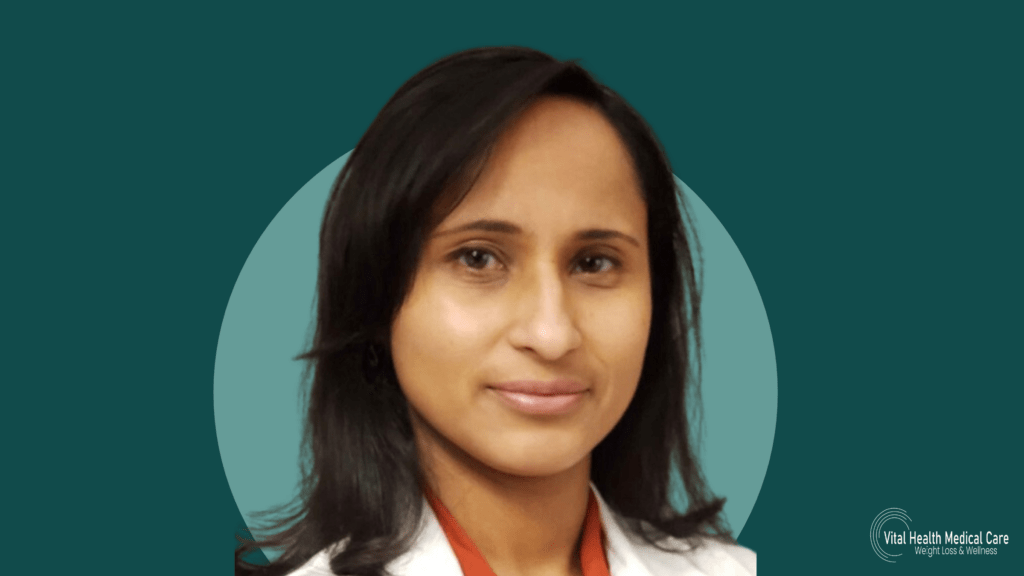
Dr. Sanin Syed, founder and CEO of Vital Health Medical Care, is a board-certified obesity and internal medicine specialist. With over two decades of experience, Dr. Syed is dedicated to helping her patients achieve lasting weight loss and a healthier lifestyle.
- Recognized Expertise: Dr. Syed’s knowledge has been featured on NPR’s Evan Dawson Show and in the Rochester Academy of Medicine.
- Commitment to Patient Health: She focuses on building sustainable health habits and lifestyle changes that support long-term success.
Our clinic, located at 10 Office Parkway, Suite 100, Pittsford, NY, provides a welcoming and professional setting for patients who are ready to make positive changes.
Why Choose Vital Health Medical Care?
Experienced Weight Loss Doctor
Dr. Sanin Syed is one of the leading weight loss doctors in New York, with over 20 years of experience in medicine and obesity management. She holds dual board certifications from the American Board of Obesity Medicine and the American Board of Internal Medicine, ensuring you receive the highest standard of care.
Personalized Care
At Vital Health Medical Care, we believe in a personalized approach to weight loss. Our programs are tailored to meet your unique needs, ensuring you receive the best possible care and support on your weight loss journey.
Comprehensive Support
We provide ongoing support throughout your weight loss journey, including regular monitoring and adjustments to your plan as needed. Our comprehensive approach ensures you have the resources and guidance necessary to achieve your weight loss goals.
Insurance Acceptance
We understand that managing healthcare costs is important. That’s why we accept a wide range of insurance plans to make our weight loss treatments accessible and affordable for everyone.
Nutritional Counseling
Our qualified nutritionists create personalized diet plans that fit your lifestyle and dietary preferences. We provide expert guidance on making healthy food choices that support your weight loss goals.
Physician Consultation
Our experienced physicians, led by Dr. Syed, will work with you to find the best medication and treatment plan for your needs. We utilize FDA-approved medications such as Wegovy and Zepbound to support your weight loss efforts.
Health Coaching
Our health coaches provide ongoing support and motivation, helping you stay on track with your weight loss goals. They offer practical advice and encouragement to help you overcome challenges and achieve lasting success.
Culinary Medicine
Learn how to prepare healthy, delicious meals that support your weight loss journey with guidance from our culinary medicine experts. We offer cooking classes and workshops to help you develop the skills needed to maintain a healthy diet.
Meal Replacement
We offer meal replacement options that are nutritious and convenient, helping you manage your calorie intake effectively. Our meal replacements are designed to support your weight loss goals while ensuring you receive essential nutrients.
Individualized Exercise Plan
Our fitness experts develop personalized exercise plans tailored to your fitness level and goals. We provide guidance on the best types of exercise for weight loss and overall health, ensuring you achieve optimal results.
Comprehensive Weight Loss Treatment in Rochester, New York
Vital Health Medical Care offers evidence-based weight loss treatments designed to help you succeed. We take a holistic approach, integrating medication, diet, exercise, and behavioral changes to ensure long-term success. Contact us today to schedule a consultation and start your journey.