

Weight Loss for Women Over 50: What Changes, and What Actually Works
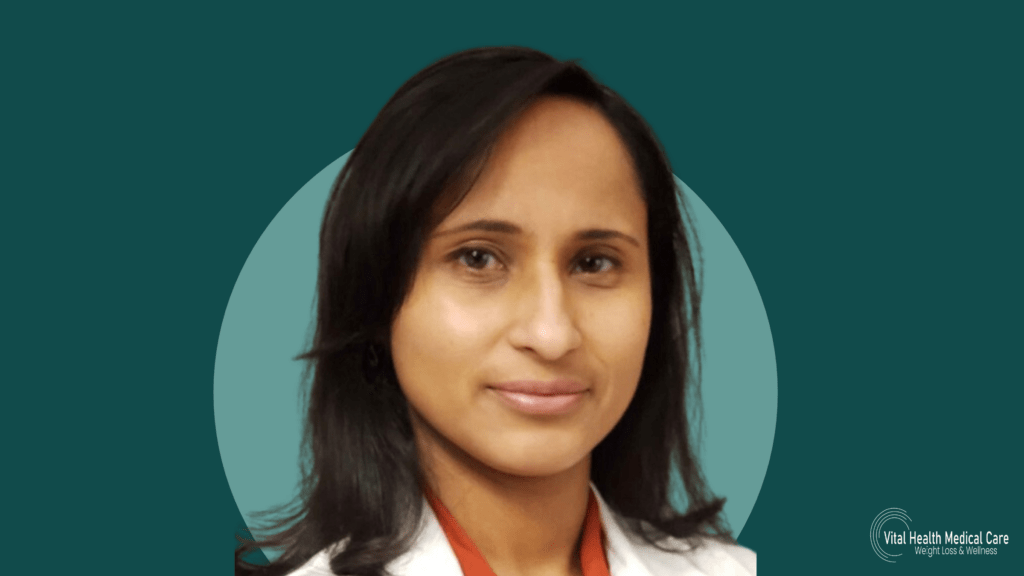
If you are eating the same way you always have, staying just as active, and still watching the number on the scale climb, you are not imagining it, and you are certainly not doing something wrong. After 50, a woman’s body changes in ways that make weight genuinely harder to manage, and most general diet advice simply does not account for those changes. Understanding what is actually happening, and treating the underlying biology, is what finally makes a difference. At Vital Health Medical Care in Pittsford, just outside Rochester, Dr. Sanin Syed, MD helps women navigate this stage with medical expertise rather than another round of guesswork.
Why Weight Loss Is Harder for Women After 50
There is a real physiological reason midlife weight gain feels so stubborn. Several changes happen at once, and they compound each other:
Declining estrogen: as estrogen falls through perimenopause and menopause, the body tends to store fat differently, shifting it from the hips and thighs toward the abdomen. This visceral fat, stored around the organs, is also the type most closely linked to heart disease and insulin resistance.
Loss of muscle mass: adults gradually lose muscle with age, and the decline speeds up after 50, particularly as estrogen (a muscle-supporting hormone) drops. Less muscle means a lower resting metabolic rate, so the body burns fewer calories at rest than it used to. This, rather than age itself, explains most of what people call a slowing metabolism, as our article on metabolism after 40 covers.
Insulin resistance: cells become less responsive to insulin with age and with increased abdominal fat, making it easier to store fat and harder to release it.
Disrupted sleep: hot flashes, night sweats, and insomnia are common during this stage, and poor sleep raises hunger hormones and cravings the following day.
Thyroid changes: hypothyroidism becomes more common in women as they age, and an underactive thyroid slows metabolism and can quietly drive weight gain.
Medications: certain common medications, including some antidepressants, steroids, and blood pressure or diabetes drugs, can contribute to weight gain. Never stop a prescribed medication on your own, but it is worth asking your physician whether an alternative might suit you better.
None of this means weight loss is impossible after 50. It means the strategies that worked at 30 will not necessarily work now, and that a plan built around your current physiology is far more likely to succeed.
What Actually Works: Evidence-Based Strategies
Prioritize Protein at Every Meal
Protein becomes more important with age, not less. Research consistently links higher protein intake with better preservation of muscle mass in older adults, and spreading protein evenly across breakfast, lunch, and dinner appears more effective than loading it into one meal. Protein also increases satiety, which naturally helps with portion control. Good sources include eggs, fish, poultry, Greek yogurt, beans, lentils, and tofu. A physician or registered dietitian can help you determine the right amount for your body and any medical conditions.
Strength Training Is Non-Negotiable
If there is one change that matters most after 50, this is it. Resistance training directly counteracts age-related muscle loss, which in turn protects your metabolic rate. It also improves bone density, an important consideration as fracture risk rises after menopause, and improves insulin sensitivity. Two to three sessions per week is a common recommendation, and it does not require a gym. Resistance bands, light dumbbells, or bodyweight exercises at home are all effective starting points. Building muscle also changes body composition in ways the scale may not reflect, which is why measuring more than weight matters.
Keep Moving, But Do Not Rely on Cardio Alone
Regular aerobic activity supports heart health, mood, and blood sugar, and it remains valuable. Research in postmenopausal women suggests even moderate-paced walking produces meaningful fat loss. The key is pairing it with strength work rather than substituting one for the other. Rochester offers plenty of accessible options year-round, from the Erie Canal path and Highland Park to indoor walking at Eastview Mall during winter months.
Protect Your Sleep
Sleep is not a luxury in midlife weight management; it is part of the treatment. Poor sleep disrupts the hormones that regulate hunger and fullness, increasing appetite and cravings for high-calorie foods. If menopausal symptoms such as night sweats are interrupting your sleep, that is worth raising with your physician, because managing those symptoms can meaningfully support your weight goals.
Eat for Nourishment, Not Restriction
Very restrictive diets tend to backfire after 50, accelerating muscle loss and often leading to regain. A Mediterranean-style pattern, built around vegetables, fruit, whole grains, legumes, fish, and olive oil, has strong research support for both weight and cardiovascular health, which matters because heart disease risk rises after menopause. Adequate calcium and vitamin D also become more important for bone health. Rather than counting every calorie, focus on balanced, satisfying plates and consistency over time.
When to Consider Medical Support
Many women in this stage have done everything right and still see little progress. That is often a signal that something physiological is working against them, and it is exactly where medical evaluation helps. A thorough workup can identify thyroid dysfunction, insulin resistance, hormonal factors, or medication effects that no diet plan can address on its own.
For appropriate candidates, FDA-approved weight loss medications can also be part of the picture. Options such as Wegovy (semaglutide) and Zepbound (tirzepatide) work by reducing appetite and improving fullness, and they are generally considered for adults with a BMI of 30 or higher, or 27 or higher with a weight-related condition such as type 2 diabetes, high blood pressure, or sleep apnea. These are prescription medications with real contraindications, so they require proper evaluation and ongoing monitoring by a physician rather than an online questionnaire.
A Physician-Guided Approach at Vital Health Medical Care
Dr. Sanin Syed brings more than 20 years of clinical experience and dual board certification from the American Board of Obesity Medicine and the American Board of Internal Medicine. That combination matters for women in midlife, because weight at this stage rarely exists in isolation; it intersects with thyroid function, cardiovascular risk, blood sugar, bone health, and hormonal change. Dr. Syed is also an Assistant Professor of Medicine at the University of Rochester Medical Center, and her expertise has been featured on NPR’s Evan Dawson Show and at the Rochester Academy of Medicine.
How the Process Works
Care begins with a comprehensive consultation covering your health history, current medications, symptoms, and goals, followed by lab work to check thyroid function, blood sugar, cholesterol, and other relevant markers. Body composition analysis provides a clearer starting point than the scale alone, distinguishing fat from lean muscle, which is especially useful when the goal is losing fat while preserving muscle.
From there, Dr. Syed builds an individualized plan that may combine nutrition guidance, strength and activity recommendations, behavioral support, and medication when clinically appropriate. Regular follow-up visits allow the plan to be adjusted as your body responds, plateaus are addressed, and progress is measured in health markers, not just pounds.
What We See in Practice
Among the women we work with in the Rochester area, the most common reaction is relief. Many arrive convinced they have failed, when in fact their bodies have changed in ways no one explained to them. Once the underlying factors are identified and addressed, progress often becomes steady and sustainable. Just as importantly, many report improvements that never show up on a scale: better energy, better sleep, easier movement, and improved lab results.
Realistic Expectations and Real Benefits
Sustainable weight loss at any age happens at roughly one to two pounds per week, and that pace matters even more after 50, because losing weight too quickly accelerates muscle and bone loss. It is also worth knowing that you do not need to reach an ideal number to gain substantial health benefits. Losing 5 to 10% of body weight meaningfully improves blood sugar, blood pressure, and cholesterol, and reduces strain on joints. For a woman weighing 180 pounds, that is roughly 9 to 18 pounds.
It is genuinely never too late. Women in their 50s, 60s, and beyond routinely improve their metabolic health, mobility, and quality of life with the right support.
Frequently Asked Questions
Why am I gaining weight after 50 when nothing has changed?
This is one of the most common questions women ask their physicians, and it has a real biological answer. Declining estrogen shifts fat storage toward the abdomen, age-related muscle loss lowers your resting metabolic rate, and sleep disruption and insulin resistance often compound the effect. Thyroid changes and certain medications can also contribute. A medical evaluation can identify which factors are affecting you specifically.
How can a woman over 50 lose belly fat?
Abdominal fat after menopause is largely driven by hormonal changes, so the most effective approach targets the underlying causes rather than doing endless abdominal exercises, which do not reduce fat in a specific area. Strength training to rebuild muscle, adequate protein, quality sleep, stress management, and a Mediterranean-style eating pattern all help. When those are not enough, a medical evaluation can identify treatable contributors such as insulin resistance or thyroid dysfunction.
Is strength training safe for women over 50?
For most women, yes, and it is one of the most beneficial things you can do at this stage. Resistance training helps preserve muscle mass, supports bone density, and improves insulin sensitivity. Start with light resistance and proper form, progress gradually, and check with your physician first if you have joint problems, osteoporosis, or a cardiac condition so the program can be adapted safely.
Do weight loss medications work for women over 50?
Yes, FDA-approved weight loss medications are effective for appropriate candidates regardless of age, including postmenopausal women. They work by reducing appetite and improving satiety. Because women in this age group are more likely to take other medications and have conditions such as high blood pressure or thyroid disease, careful physician evaluation and monitoring is especially important to ensure safety and avoid interactions.
Does menopause make it impossible to lose weight?
No. Menopause makes weight loss harder, not impossible. The hormonal and metabolic changes are real, but they respond to the right approach, one built around preserving muscle, addressing insulin resistance, protecting sleep, and treating any underlying medical contributors. Many women achieve meaningful, lasting results during and after menopause with appropriate support.
Should I eat less as I get older?
Calorie needs do tend to decline with age, largely because of muscle loss and reduced activity, but simply eating less is the wrong strategy on its own. Cutting too far accelerates muscle and bone loss and often triggers regain. A better approach is improving what you eat, prioritizing protein and nutrient-dense foods, while rebuilding muscle through strength training. Individual needs vary considerably, so personalized guidance is worthwhile.
Where can I find weight loss support for women over 50 near Rochester?
Vital Health Medical Care is located at 10 Office Parkway, Suite 100 in Pittsford, across from the Jefferson and Clover Road YMCA, serving Rochester, Monroe County, and surrounding communities. Dr. Sanin Syed offers medically supervised care that accounts for the hormonal and metabolic changes of midlife. No referral is required, and most major insurance plans are accepted. Call 585-662-5786 to schedule a consultation.
Taking the Next Step
If you have been blaming yourself for weight that will not budge, it may be time for a different explanation and a different approach. The changes your body is going through after 50 are real, well understood, and treatable, and you deserve care that takes them seriously. Effective weight loss for women over 50 in Rochester starts with understanding what is actually happening in your body, then building a plan around it.
To schedule a consultation with Dr. Sanin Syed at Vital Health Medical Care in Pittsford, call 585-662-5786 or visit vitalhealthmedicalcare.com. No referral is needed, and our team will verify your insurance benefits before you begin.
Meet Dr. Sanin Syed – Leading Medical Weight Loss Specialist in Rochester, NY
Dr. Sanin Syed, founder and CEO of Vital Health Medical Care, is a board-certified obesity and internal medicine specialist. With over two decades of experience, Dr. Syed is dedicated to helping her patients achieve lasting weight loss and a healthier lifestyle.
- Recognized Expertise: Dr. Syed’s knowledge has been featured on NPR’s Evan Dawson Show and in the Rochester Academy of Medicine.
- Commitment to Patient Health: She focuses on building sustainable health habits and lifestyle changes that support long-term success.
Our clinic, located at 10 Office Parkway, Suite 100, Pittsford, NY, provides a welcoming and professional setting for patients who are ready to make positive changes.
Why Choose Vital Health Medical Care?
Experienced Weight Loss Doctor
Dr. Sanin Syed is one of the leading weight loss doctors in New York, with over 20 years of experience in medicine and obesity management. She holds dual board certifications from the American Board of Obesity Medicine and the American Board of Internal Medicine, ensuring you receive the highest standard of care.
Personalized Care
At Vital Health Medical Care, we believe in a personalized approach to weight loss. Our programs are tailored to meet your unique needs, ensuring you receive the best possible care and support on your weight loss journey.
Comprehensive Support
We provide ongoing support throughout your weight loss journey, including regular monitoring and adjustments to your plan as needed. Our comprehensive approach ensures you have the resources and guidance necessary to achieve your weight loss goals.
Insurance Acceptance
We understand that managing healthcare costs is important. That’s why we accept a wide range of insurance plans to make our weight loss treatments accessible and affordable for everyone.
Nutritional Counseling
Our qualified nutritionists create personalized diet plans that fit your lifestyle and dietary preferences. We provide expert guidance on making healthy food choices that support your weight loss goals.
Physician Consultation
Our experienced physicians, led by Dr. Syed, will work with you to find the best medication and treatment plan for your needs. We utilize FDA-approved medications such as Wegovy and Zepbound to support your weight loss efforts.
Health Coaching
Our health coaches provide ongoing support and motivation, helping you stay on track with your weight loss goals. They offer practical advice and encouragement to help you overcome challenges and achieve lasting success.
Culinary Medicine
Learn how to prepare healthy, delicious meals that support your weight loss journey with guidance from our culinary medicine experts. We offer cooking classes and workshops to help you develop the skills needed to maintain a healthy diet.
Meal Replacement
We offer meal replacement options that are nutritious and convenient, helping you manage your calorie intake effectively. Our meal replacements are designed to support your weight loss goals while ensuring you receive essential nutrients.
Individualized Exercise Plan
Our fitness experts develop personalized exercise plans tailored to your fitness level and goals. We provide guidance on the best types of exercise for weight loss and overall health, ensuring you achieve optimal results.
Comprehensive Weight Loss Treatment in Rochester, New York
Vital Health Medical Care offers evidence-based weight loss treatments designed to help you succeed. We take a holistic approach, integrating medication, diet, exercise, and behavioral changes to ensure long-term success. Contact us today to schedule a consultation and start your journey.